Glossary
Brassiness
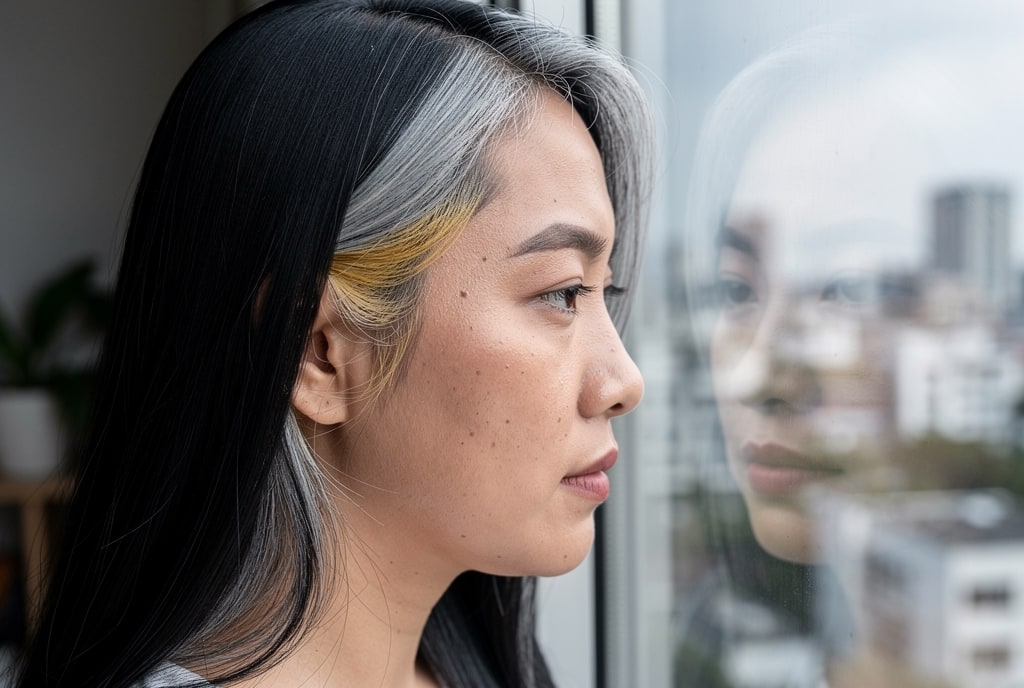
Brassiness is unwanted yellow, gold, or orange warmth that makes grey hair look dull.
Grey Hair
Glossary - Updated July 2026
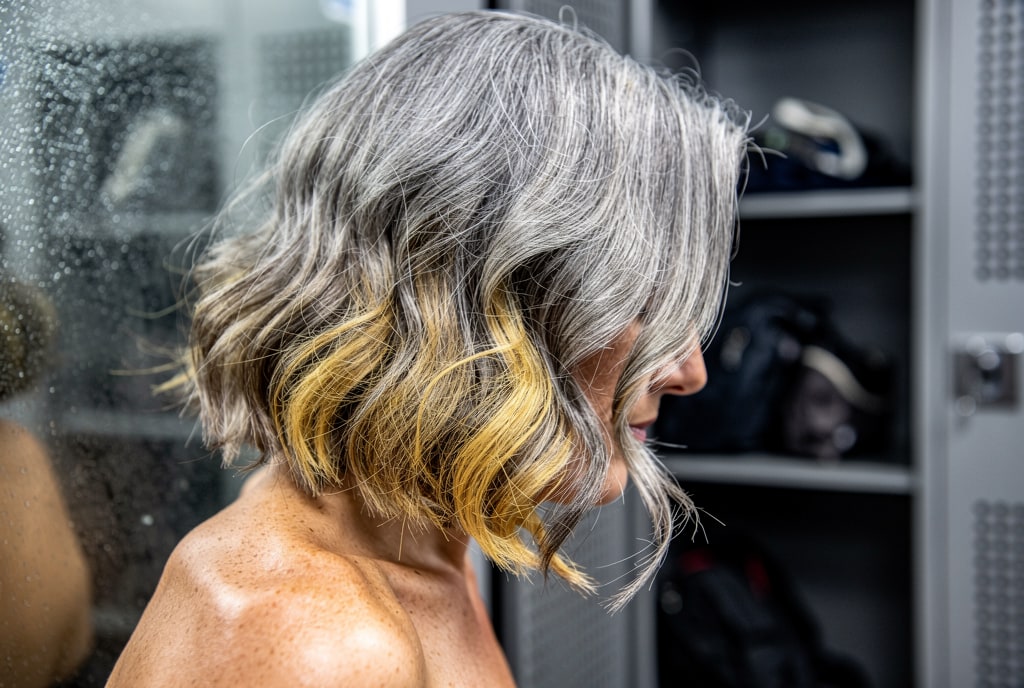
Yellowing is a dull warm cast on white or grey hair caused by tone buildup, minerals, smoke, sun, or products.
Updated July 2026. We revise yellowing when product options, routine advice, or the supporting evidence changes. How we update guides.
Yellowing is a dull warm cast on white or grey hair caused by tone buildup, minerals, smoke, sun, or products. The term appears often in salon consultations, product labels, and grey hair routines, so it is worth defining clearly before you make a purchase or ask for a color service.
Yellowing is useful only when it changes a decision. In grey hair care, terms can sound technical while pointing to a simple choice: tone, moisture, depth, shape, or maintenance. Ask how the term affects your next appointment or wash day. If the answer is vague, slow down before adding another product or service.
Grey and white strands show contrast quickly. A small amount of warmth, buildup, shadow, or color depth can change how the whole head reads. Understanding yellowing helps you describe what you see without using broad words like dull or old. Better language leads to better salon notes, better product choices, and fewer overcorrections.
Bring the word into a specific sentence. For example: “I see yellowing near the ends,” “I want blending through the grow-out line,” or “My wiry hair needs a softer shape.” That gives a stylist or reader a visible problem to solve. It also prevents the common mistake of using every grey hair term at once and leaving the routine unfocused.
Many grey hair terms overlap in conversation. Yellowing can be described as brassiness, a root smudge can be part of blending, and lowlights can change the look of salt-and-pepper hair without covering every white strand. When two terms seem close, describe the visible issue first and let the service or product name come second. That keeps the next step tied to the hair in front of you.
If the term points to color, compare clarifying, toning, and salon glossing before repeating pigment products. If it points to texture, compare conditioning, leave-in support, and haircut shape. If it points to grow-out strategy, compare blending, lowlights, root smudge, or a planned cut. A precise term should narrow choices, not multiply them.
| Angle | Practical takeaway |
|---|---|
| What you see | Beige or yellow cast on white or silver hair |
| First check | Daylight tone check after a clean rinse |
| Gentle next step | Short purple-shampoo contact on yellow zones |
| Avoid | Stacking pigment every wash “just in case” |
Yellowing is part of the shared language of grey hair care. Use it to describe what is visible, ask better questions, and choose the least aggressive next step that matches the actual problem.
When you see yellowing in a guide or salon note, translate it into one visible decision: tone, moisture, shape, or maintenance. That keeps the term practical and stops a single buzzword from turning into three unnecessary purchases. If you cannot explain what would change after acting on the term, pause and ask for a clearer recommendation.
Brassiness is unwanted yellow, gold, or orange warmth that makes grey hair look dull.
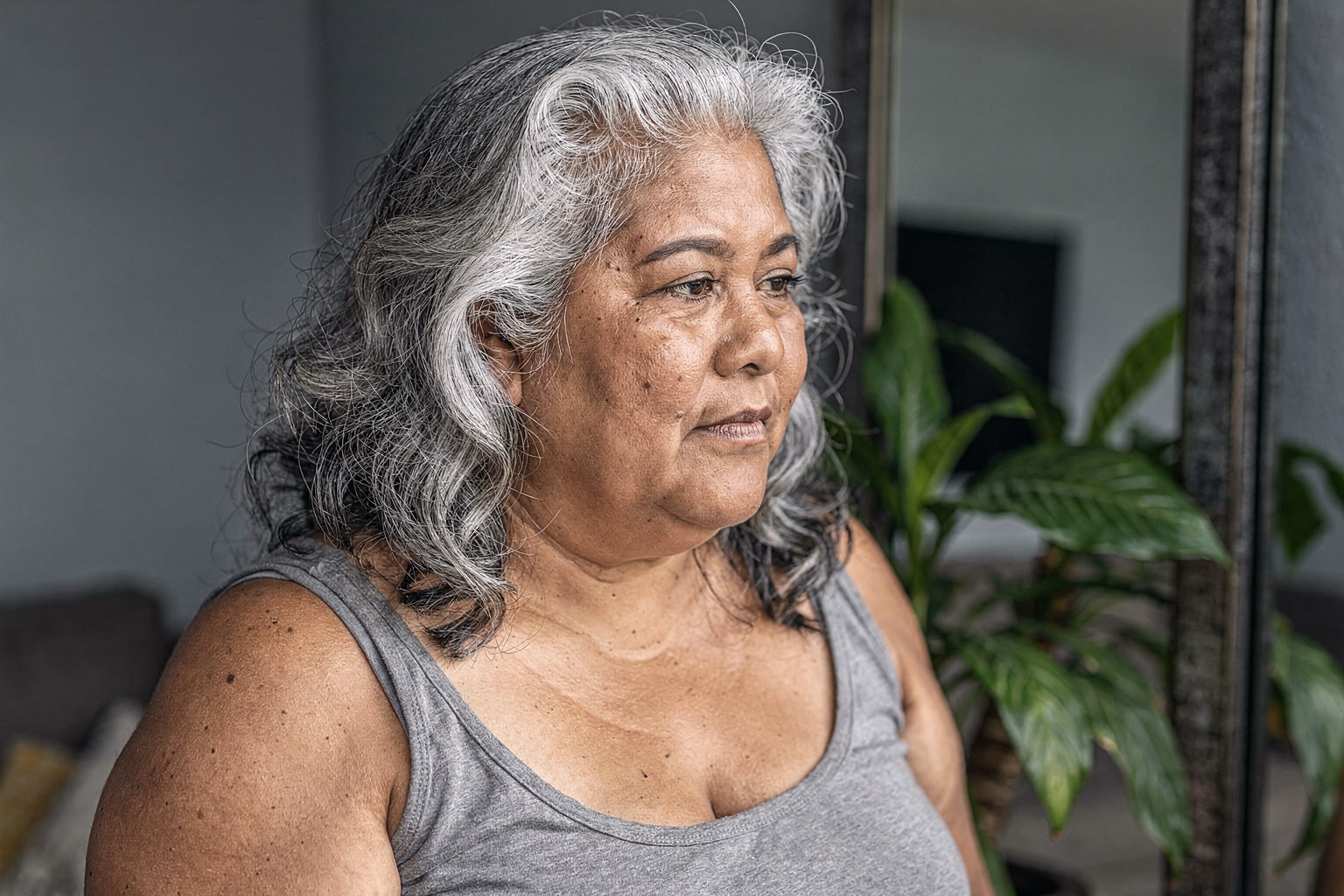
Blending uses highlights, lowlights, glosses, or cuts to soften the line between dyed and natural grey hair.
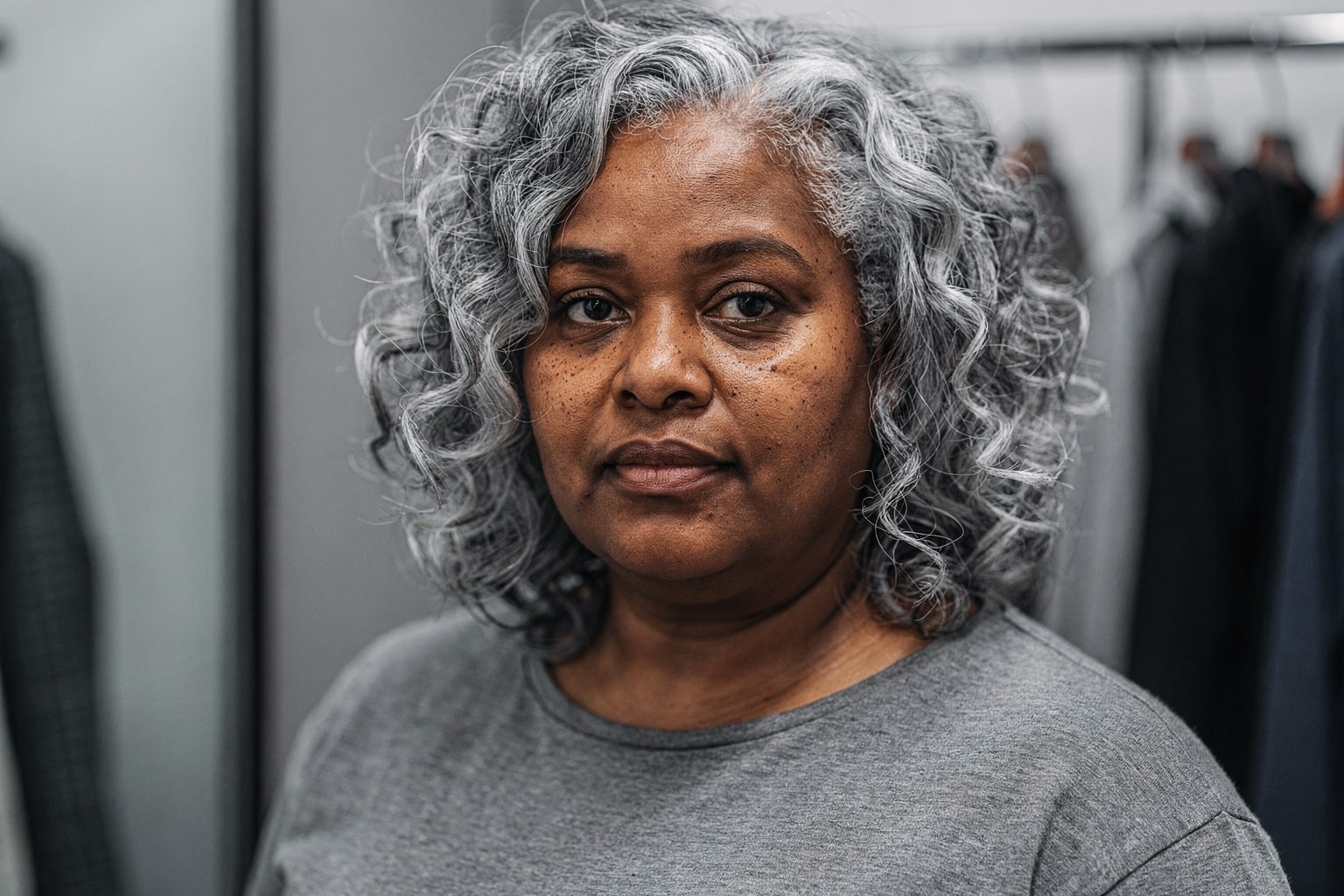
Demi-permanent color deposits tone with low peroxide and fades gradually, often used for blending grey hair.
Grey hair care notes — transition tips, science, and silver routines