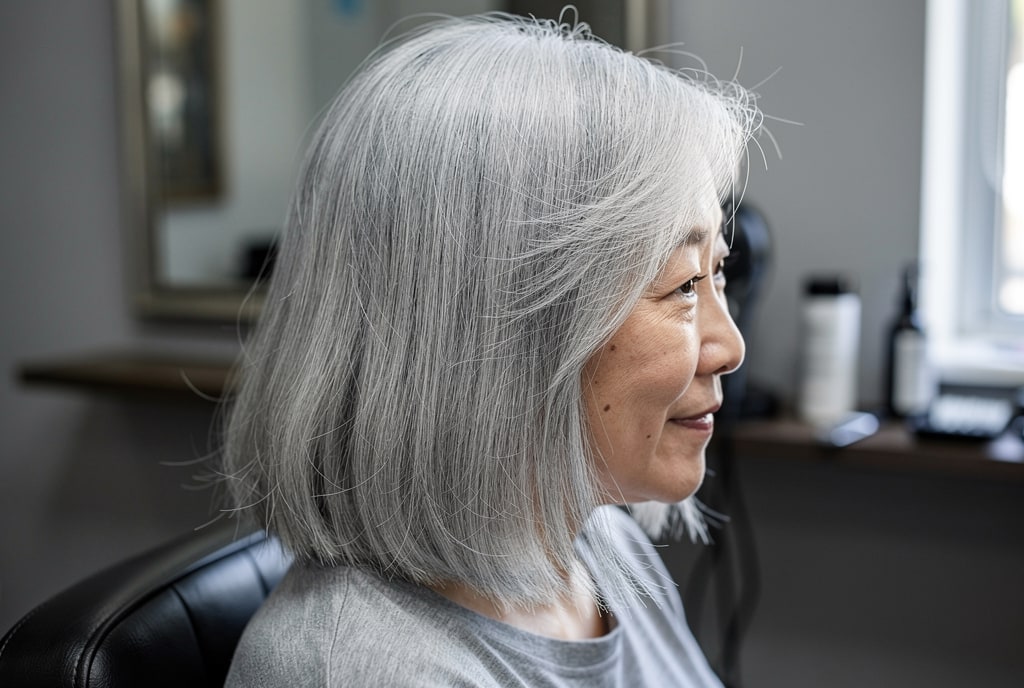
Lifestyle
Nutrition What Evidence Says
Nutrition What Evidence Says guidance for grey hair, with practical care steps, salon context, routine choices, and confidence-focused next steps.
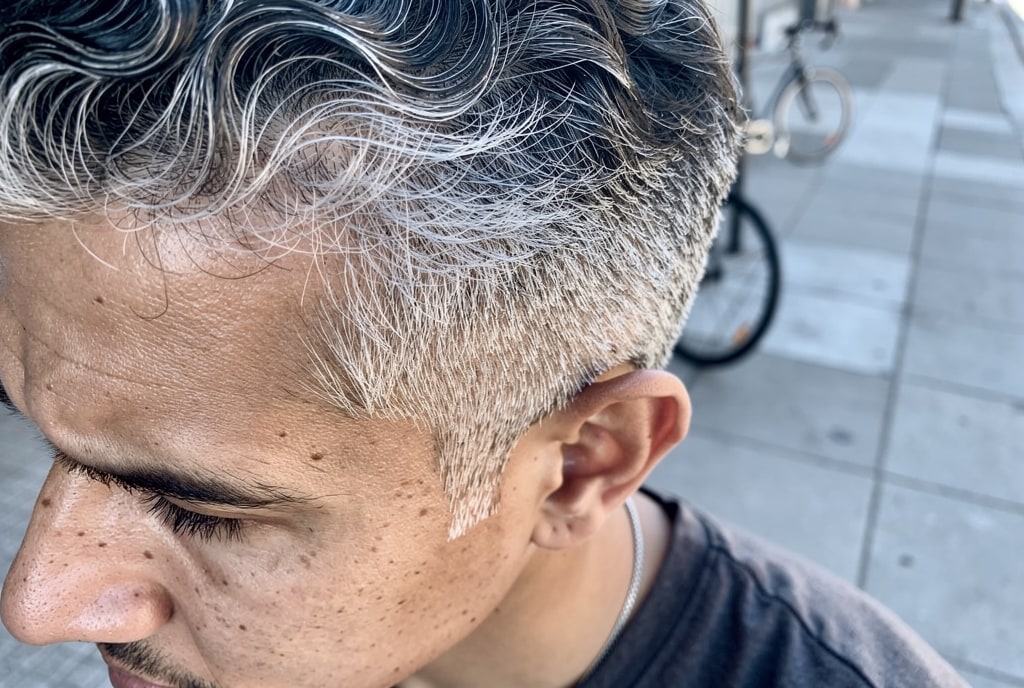
Grey Hair
Lifestyle - Updated July 2026
Sun Protection guidance for grey hair, with practical care steps, salon context, routine choices, and confidence-focused next steps.
Updated July 2026. We revise sun protection when product options, routine advice, or the supporting evidence changes. How we update guides.
Sun Protection belongs in grey hair coverage only when the claims stay modest. Lifestyle can influence overall health, inflammation, sleep quality, scalp comfort, and how well a person keeps up with care. It should not be framed as a guaranteed way to prevent or reverse grey hair. This guide keeps the discussion useful without turning normal pigment change into a wellness blame story.
Some factors, such as smoking, nutrition status, stress physiology, and sun exposure, appear in research discussions around hair and skin health. That does not mean a single food, sleep plan, or supplement will bring pigment back. The more responsible question is whether a habit supports general health and reduces avoidable cosmetic stress on grey hair. Sun protection can reduce yellowing and dryness. Smoking avoidance supports skin and hair environment. Balanced nutrition matters most when there is a true deficiency.
Grey hair reflects light clearly, so lifestyle-related buildup and exposure can be visible. Chlorine, smoke, hard water, sunscreen residue, and repeated UV exposure may make white pieces look warmer or duller. A routine that includes gentle cleansing, occasional clarifying, conditioning, and heat protection usually does more for visible results than chasing a cure claim. If a habit is worth changing, it should stand on its broader health value as well as its cosmetic benefit.
A useful lifestyle change should be low risk, repeatable, and valuable even if hair color never changes. That standard protects readers from buying extreme protocols for a normal visible trait. It also keeps attention on changes that can be assessed fairly: less dullness after rinsing swim water, better scalp comfort after smoke exposure drops, or less dryness when sun protection and conditioning improve together.
Avoid high-dose supplements unless a clinician has identified a need. Do not stop prescribed medication because a social post connects it to grey hair. Do not treat sudden patchy change, scalp pain, or major shedding as a lifestyle puzzle to solve alone. Those patterns deserve professional evaluation. For ordinary gradual greying, a calm routine and realistic expectations protect both hair and confidence.
| Checkpoint | Reader takeaway |
|---|---|
| UV on pale hair | Can add warmth and dryness on exposed lengths |
| Useful habit | Hat, scarf, or leave-in with UV care in strong sun |
| Routine link | Gentle cleanse + condition after long outdoor days |
| Not a cure claim | Sun care protects comfort and tone; it does not reverse grey |
Choose one low-risk action: protect hair in strong sun, rinse after swimming, reduce smoke exposure, improve sleep consistency, or document nutrition questions for a clinician. Keep the focus on comfort, tone, and health rather than trying to control every strand.
Nutrition What Evidence Says guidance for grey hair, with practical care steps, salon context, routine choices, and confidence-focused next steps.
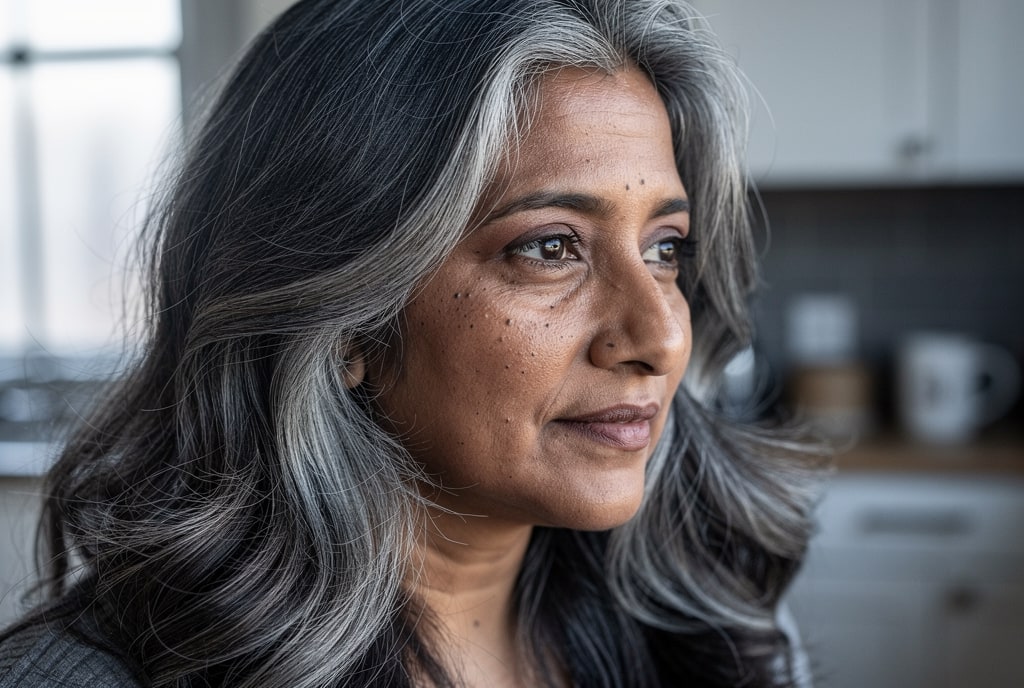
Smoking And Grey guidance for grey hair, with practical care steps, salon context, routine choices, and confidence-focused next steps.

Stress And Sleep guidance for grey hair, with practical care steps, salon context, routine choices, and confidence-focused next steps.
Grey hair care notes — transition tips, science, and silver routines