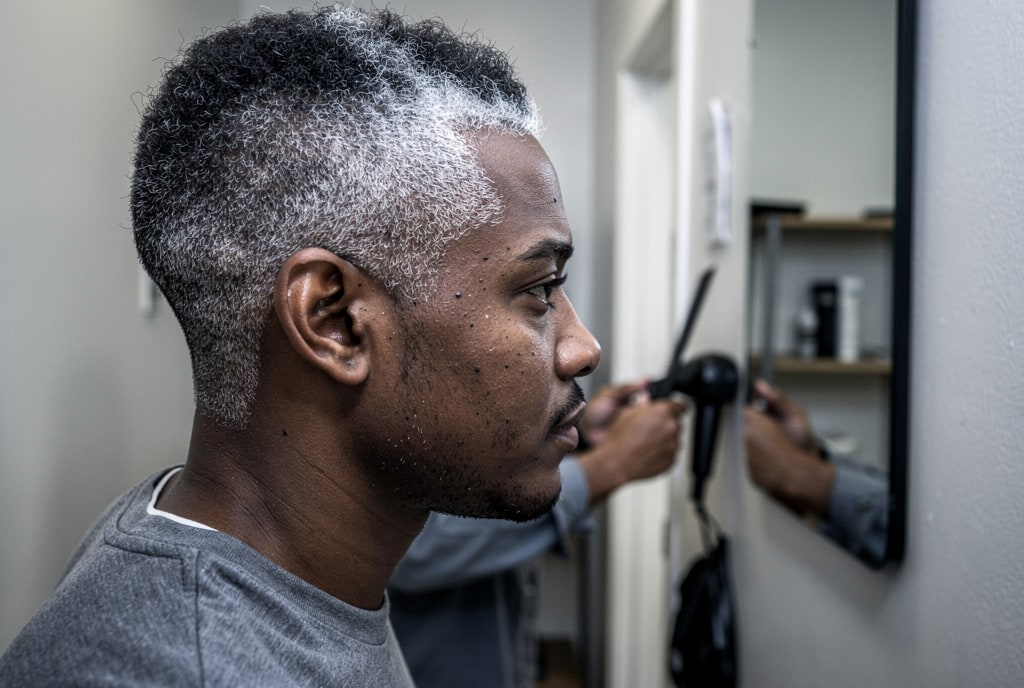
Salon
Blending Vs Full
Blending Vs Full guidance for grey hair, with practical care steps, salon context, routine choices, and confidence-focused next steps.
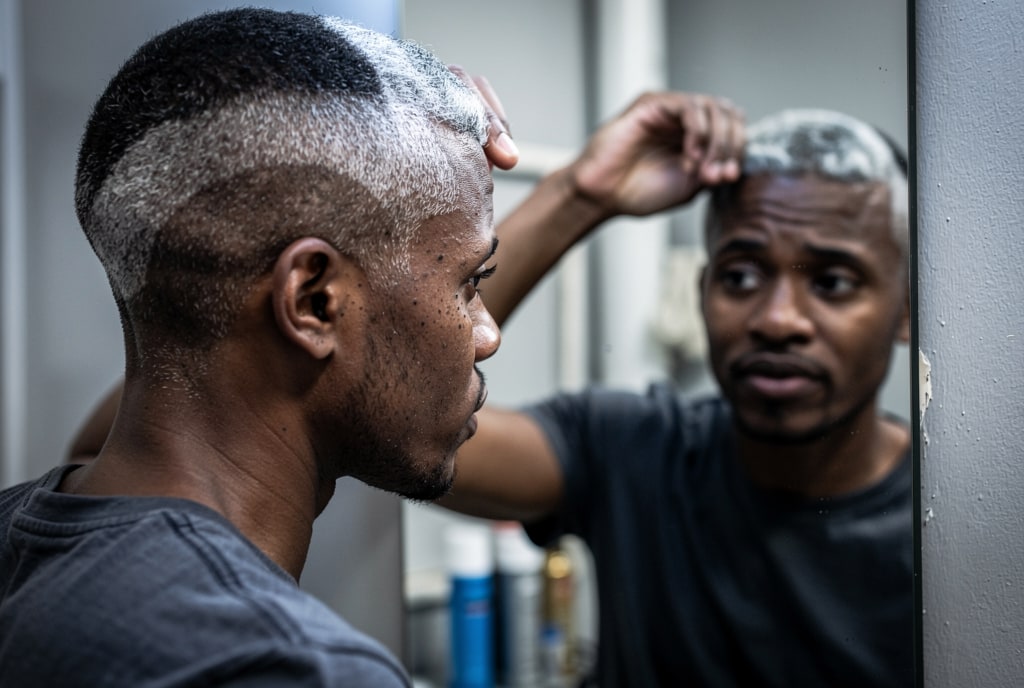
Grey Hair
Salon - Updated July 2026
Prepare for a grey hair salon consultation with questions, photos, color history, budget planning, and realistic transition options.
Updated July 2026. We revise grey hair salon consultation when product options, routine advice, or the supporting evidence changes. How we update guides.
A grey hair salon consultation is where a grey transition becomes a plan instead of a wish. It is the appointment, video call, or pre-service conversation where you and a stylist look at natural grey pattern, old color, hair health, maintenance limits, budget, and desired result before bleach, toner, gloss, lowlights, or permanent color enters the picture. The best consultation is calm and specific. It does not promise every head of hair a one-day silver transformation.
Grey transitions are technically different from an ordinary color refresh because the stylist may be working with bright new roots, dark permanent dye, warm bands, porous highlights, fragile ends, and uneven grey distribution at the same time. A beautiful inspiration photo can help, but the actual plan has to come from your hair’s history and condition. The consultation protects the hair, the budget, and the months between appointments.
Think of the conversation as a shared map. You bring the facts of your hair and life. The stylist brings color knowledge, placement options, and risk assessment. A strong plan usually names what can happen now, what should wait, what might never be worth the damage, and how the hair should be cared for at home.
Before booking, name the main question you want answered. Do you want to stop coloring and grow out grey? Soften a hard root line? Remove warm dye from the lengths? Maintain silver hair that is already established? Decide whether cutting shorter would make the transition easier? Learn whether your hair can tolerate lightening? A focused question helps the stylist give a focused answer.
If you are not sure, say that directly. A good consultation can compare routes: a hard grow-out, salon blending, gradual coverage reduction, glossing, lowlights, highlights, root smudging, or a cut-forward transition. The answer may be a staged plan rather than one service. That is not a failure of the consultation; it is often the most honest outcome.
It also helps to define what you do not want. You may be comfortable with some contrast but not a sharp skunk stripe. You may want less warmth but not icy white. You may be willing to cut two inches but not six. These boundaries keep the stylist from designing an impressive plan that does not fit your daily life.
Not every salon uses the word consultation in the same way. Some offer a free fifteen-minute conversation before a color service. Others book a paid thirty- to sixty-minute appointment with strand testing, formula notes, and a written plan. Some require an in-person consultation before any major grey correction. Ask what is included before you arrive.
For a simple question, a short consultation may be enough: “Can we soften this root line at my next appointment?” For a major transition from years of dark permanent color, a paid consultation is usually more useful. The stylist needs time to inspect the hair, ask about old color, test elasticity, discuss cost, and decide whether a strand test should be done before a full appointment.
When booking, describe the situation plainly: “I have been coloring dark brown every four weeks for ten years and want to transition to grey,” or “I have six months of silver roots and warm blonde ends,” or “I am fully grey but yellowing around the front.” Clear booking notes help the salon reserve the right amount of time and pair you with someone who does this work regularly.
Color history is safety information. Write down what you know: permanent color, demi-permanent color, box dye, highlights, lowlights, bleach, glosses, henna, keratin treatments, relaxers, perms, color removers, and heavy pigment conditioners. Include approximate dates and frequency. If you do not know exactly what was used, say so rather than guessing.
Old color affects how hair lightens and tones. Dark permanent dye may lift orange or red. Box dye can create bands that do not lift evenly. Henna and metallic salts can complicate chemical services. Highlighted ends may already be fragile even if they look smooth. A stylist cannot see every layer of history from the outside, so your notes matter.
Bring daylight photos of your hair from the front, sides, back, part, hairline, and ends. Also bring older photos that show your natural color and previous services if you have them. A grey transition is a story written through the roots, mids, and ends. The stylist needs to understand both the current canvas and how it got there.
Grey hair rarely grows in evenly. You may have white temples, a silver hairline, a bright streak, scattered salt-and-pepper roots, or a darker back section. Your pattern changes the best salon route. A white hairline may be beautiful with face-framing brightness. A dark back section may need depth left in place. A strong streak may deserve to be featured instead of covered.
Spend a few days noticing where the grey shows in normal life. Pull the hair back. Change the part. Look in daylight, office light, and evening light. Take photos when the hair is clean and when it is near wash day. If you mostly wear your hair up, the underside and hairline matter more than a salon cape view. If you part the same way every day, the blend around that part may matter most.
This pattern map helps you ask better questions. Instead of saying, “Can you make it all silver?” you can ask, “How would you soften the dark band through the mids while keeping the bright face frame?” The second question invites a real plan.
Inspiration photos help communicate direction, but they are not a contract. Choose photos for specific reasons: softness of the root blend, brightness around the face, amount of contrast, cut shape, curl pattern, or overall tone. Avoid bringing only heavily filtered icy silver images, especially if your hair is dark, fragile, or warm from old dye.
Bring at least one photo you do not like and explain why. For example: “I do not want a harsh line,” “I do not want lavender tone,” “I do not want stripey highlights,” or “I do not want to lose this much length.” Negative examples can prevent misunderstandings because they show the boundary as clearly as the goal.
Ask the stylist which parts of the inspiration photo are achievable on your hair and which are not. Lighting, extensions, filters, natural grey percentage, professional styling, and editing can all affect the image. A grounded stylist will separate the mood of the photo from the chemistry required to imitate it.
Use the consultation to ask direct questions. A strong stylist should be comfortable answering them in practical language, even when the answer is “we need to test first” or “not safely in one visit.”
| Question | Why it matters |
|---|---|
| What route would you recommend for my grey pattern? | Connects the plan to your actual roots. |
| How many sessions might this take? | Prevents one-appointment fantasy. |
| What is the cost range now and for maintenance? | Helps avoid surprise commitments. |
| What warmth or banding should I expect? | Sets realistic tone expectations. |
| Do you recommend a strand test? | Protects fragile or unknown color history. |
| How much length may need to come off? | Connects color goals to hair health. |
| What should I use at home? | Keeps aftercare specific and conservative. |
| What would make you stop during the service? | Shows whether the stylist has safety limits. |
| How will this look in six weeks? | Grounds the plan in real grow-out. |
If the stylist cannot explain risk, cost, timing, and maintenance, pause before booking a major correction. You do not need every technical formula, but you should understand the route well enough to consent.
A good grey consultation often compares two or three routes. The most dramatic route is not always the best route, and the lowest-cost route is not always the lowest-stress route. Ask the stylist to explain what each option would look like now, during grow-out, and after several months.
| Route | Best for | Trade-off to discuss |
|---|---|---|
| Hard grow-out | Healthy hair, lower budget, tolerance for contrast | Visible line while roots grow |
| Blending | Softer transition, old color that can be lightened safely | Cost, multiple sessions, possible warmth |
| Gradual coverage reduction | People not ready to stop coloring abruptly | Still requires appointments |
| Lowlights or depth | Very bright grey that feels flat or washed out | Added color must also grow or fade |
| Cut-forward transition | Damaged ends or desire for faster progress | Length change and trim cadence |
| Gloss or toner maintenance | Established grey needing tone refinement | Fading and possible over-deposit |
If you are comparing blending with a full grow-out, the dedicated blending versus full grey guide can help you organize the trade-offs before the appointment. Bring your preference, but let the stylist adapt it to the hair in front of them.
A strand test is a small preview of how the hair may respond to lightener, color remover, toner, or another chemical step. It is especially useful when the hair has dark permanent color, box dye, henna, unknown salon formulas, heavy pigment products, or visible damage. It can reveal lift level, warmth, banding, breakage risk, and porosity before the whole head is exposed.
Ask where the strand will be taken, what the stylist is testing, how long it takes, and what result would change the plan. A useful strand test has a purpose: “We are checking whether the dark mids can lift past orange without compromising elasticity,” or “We are seeing whether the white ends grab toner too strongly.” It is not just a ceremonial step.
A strand test cannot guarantee a perfect full-head result because different areas of the head may have different history. Still, it can prevent the most avoidable surprises. If a stylist recommends a strand test, treat it as professional caution rather than hesitation. If you know your history is complicated and no one mentions testing, ask why.
Grey transition services often involve lightening old color, and lightening can stress hair. If the ends are stretchy, breaking, gummy, overly porous, or heavily processed, the stylist may recommend a slower plan, treatment, strand test, or haircut before color correction. That can be disappointing, but it is better than losing length unexpectedly.
Ask what damage signs the stylist sees. Ask whether your hair can tolerate the proposed service. Ask how they will protect the most fragile areas. Ask what would make them stop during the appointment. A professional plan should include stopping points. “We will lighten only until the hair tells us to stop” is not a vague answer if the stylist can explain what signs they are watching.
Hair health also includes scalp comfort. Tell the stylist about itching, burning, psoriasis, eczema, recent irritation, shedding, or medication changes that affect your scalp or skin. If the scalp is painful, patchy, scaling, or shedding unusually, seek medical guidance before treating the issue as a color problem.
A consultation should include budget, not just for the first appointment but for the next six months. A dramatic blending plan may require multiple sessions, toners, trims, treatments, and home care. A hard grow-out may cost less in salon color but require more comfort with contrast. Shorter cuts may need frequent shaping. Glosses may need refresh appointments.
Ask for a range, not a fantasy number. Color correction is affected by hair length, density, history, and time. Still, you can ask: “What is the likely minimum and maximum for the first session?” “How often would I need to come back?” “What is optional and what is necessary?” “What would a lower-maintenance version cost?”
Be honest about what you can repeat. A plan that looks beautiful only with expensive monthly services may not be the right plan if you want lower maintenance. Ask for the healthiest lower-maintenance version if the ideal plan exceeds your budget. Good stylists would rather design a sustainable plan than start a service you cannot maintain.
Maintenance is not a small footnote. It is part of whether the plan is right for you. A high-contrast blend may look soft for a few weeks and then need toning. A root smudge may soften a line but add color that eventually grows out. Lowlights can add depth but may fade warm. Very cool toners can look beautiful at first and then shift as porous ends release pigment.
Ask what the hair will look like at two weeks, six weeks, and twelve weeks. Ask whether the route requires salon glosses, purple shampoo, gentle shampoo, heat reduction, or more frequent trims. Ask how much grow-out will be visible before the next appointment. If the plan only sounds good on appointment day, it is not complete.
For routine support between salon visits, the grey hair grow-out plan and daily grey hair care guides can help you keep the plan ordinary enough to live with.
A realistic plan sounds specific: “We can soften the line today with face-framing highlights and a gloss, but the dark band through the mids will take more than one session.” Or: “Your ends are too fragile for aggressive lightening, so I recommend trims and a demi shift before we attempt brighter blending.” Or: “Your grey pattern is strong enough for a hard grow-out if we shape the cut and manage tone at home.”
A vague plan sounds like: “We will make it silver today” without discussing history, strand testing, cost, or maintenance. Be cautious with vague certainty. Be equally cautious with shame-based language, such as treating grey hair as something that must be hidden before you can look polished. A consultation should help you choose, not make you feel cornered.
The plan should also describe what will not be done. For example: “I would not bleach the already-light ends today,” or “I would not put dark permanent color over the silver hairline if your long-term goal is grow-out.” Clear exclusions are often a sign that the stylist is thinking beyond the first photograph.
A consultation should feel collaborative, not rushed or dismissive. Be cautious if a stylist promises a dramatic icy result in one sitting without discussing your color history. Pause if they ignore breakage, skip questions about box dye or henna, dismiss scalp discomfort, or treat your maintenance limits as an inconvenience.
Another red flag is a plan that treats grey hair as one uniform problem. Your roots, mids, and ends may need different strategies. A good stylist can explain why they would place brightness in one area, depth in another, or leave some pieces alone. They should also explain what the hair will look like between appointments because grey transitions are lived between salon days.
Watch the sales pressure as well. Product recommendations can be useful, but a plan that depends on products or appointments you cannot realistically afford should be revised. You are allowed to say, “That is more maintenance than I want. What is the simpler version?”
Use this checklist before you sit in the chair. It keeps the conversation grounded and makes it easier to compare advice later.
| Bring or ask | Why it helps |
|---|---|
| Daylight photos of current hair | Shows roots, ends, and grey placement clearly |
| Color history notes | Reduces chemical surprises |
| Two inspiration photos | Communicates direction and tone |
| One photo you dislike | Clarifies boundaries |
| Budget and schedule limits | Shapes a plan you can maintain |
| Questions about strand testing | Protects fragile or unknown history |
| Home routine notes | Helps the stylist avoid incompatible advice |
| Photos of how you wear your hair | Shows the areas that matter day to day |
| Notes about scalp sensitivity | Protects comfort and safety |
If you leave without understanding the plan, ask for a written summary or take notes on your phone. You should know what service is happening, why it was chosen, how long it may take, what it may cost, and what the next appointment might be.
Color and cutting are connected during a grey transition. Removing old color can make the grey look cleaner immediately, but cutting more than you expected can feel like a separate loss. Bring a clear length boundary: “I can lose two inches today,” “I want to keep enough length for a ponytail,” or “I am open to a shorter shape if it removes the warm ends.”
Ask the stylist to show where the new perimeter would sit before cutting. If the ends are fragile, ask whether a series of trims would work or whether keeping the length will undermine the color plan. A cut-forward transition can be elegant when it is chosen, but it should not be sprung on you after the color service has already begun.
If you are considering a shorter route, review options in the short grey cuts guide before the consultation. The goal is not to arrive with a fixed haircut; it is to have language for shape, maintenance, and how much old color you are ready to remove.
Home care should be discussed before the service, not handed to you as an afterthought. Ask what shampoo, conditioner, heat protection, and tone products the stylist expects you to use. Ask what to avoid for the first week. Ask when to return if the tone shifts or the hair feels rough. If the plan includes gloss or toner, ask how fading will look and whether you should refresh at home or in the salon.
Do not assume stronger home products will extend salon results. Overusing purple shampoo, clarifying too often, or stacking heavy conditioners can shorten the life of a careful color plan. The safest aftercare is usually specific, moderate, and tied to what the stylist actually did.
Greyhair.com covers grey-specific product categories like toners and purple shampoo for home context, but salon color decisions should still be made with your stylist when the hair history is complex. A product that helps one grey head can over-tone or dry out another.
After the appointment, write down the recommended route, cost range, timing, products, and what to avoid. If the stylist gave you a formula or plan card, save it. If the plan was verbal, summarize it in your own words while it is fresh: “First session: soften face frame and gloss. No full lightening on ends. Reassess in eight weeks.” This makes the next decision easier.
If you feel pressured, get a second opinion. Grey hair transitions can be emotional, and a calm second consultation is often cheaper than fixing a rushed service. You do not need to prove the first stylist wrong. You are simply gathering enough information to make a decision that affects your hair for months.
If you book the service, arrive with clean or appropriately prepared hair according to salon instructions. Do not secretly add box color, henna, heavy oils, root spray, or strong pigment products before the appointment. Surprises make color work less predictable.
Second opinions are useful when the first plan is expensive, aggressive, or confusing. Compare the reasoning, not only the price. One stylist may recommend slower blending because your ends are fragile. Another may recommend a stronger correction but include a strand test and staged plan. A cheaper option is not automatically safer, and a more expensive option is not automatically better.
Ask each stylist to explain the risk of warmth, breakage, uneven tone, and maintenance. If one plan names trade-offs and the other promises perfection, the more cautious explanation may be the more trustworthy one. Grey transitions reward patience because the hair has to remain wearable for months, not just photogenic for one afternoon.
Also compare communication. Did the stylist listen when you described budget and time? Did they ask how you wear your hair? Did they explain what happens if the hair does not lift as expected? The best technical plan can still be wrong if the working relationship feels dismissive.
Between appointments, protect the plan you agreed on. Use the recommended home routine, avoid surprise color experiments, and take photos if tone or dryness changes. If something feels wrong, contact the salon with specific details instead of trying several fixes at once. Calm communication is usually easier to correct than layered product or color mistakes.
Track how the color behaves in real life. Does the toner fade warm after three washes? Do the white pieces grab purple? Do the old ends feel rougher after heat styling? Does the root line bother you, or are you adjusting? These observations help the next appointment become more precise.
If you are stretching appointments for budget or schedule reasons, ask for a maintenance version of the plan: a trim, a gloss, a gentler wash routine, or a part change may carry you longer than another major color service.
Salon color is not always the first answer. If the scalp is painful, patchy, scaling, or shedding, seek medical guidance. If the hair is severely damaged, a cut and care plan may be safer before color. If your budget does not support maintenance, choose a lower-commitment route. If you are emotionally unsure, wait and observe for a few weeks.
A consultation can still be useful even when the answer is “not yet.” Knowing why to wait can prevent damage and regret. A careful stylist might say, “Let’s grow another inch of natural root before deciding,” or “Let’s rebuild the ends and trim before lightening,” or “Let’s stop permanent color but use a softer demi while you adjust.” Those are plans, not delays without purpose.
A grey hair salon consultation should leave you with a route, a timeline, a cost range, risk notes, and home care instructions. Bring color history, daylight photos, inspiration, and maintenance boundaries. Ask practical questions and expect honest trade-offs. If a plan ignores strand testing, budget, aftercare, or the way the hair will look between appointments, keep asking or seek another opinion.
The best consultation does not force you into one idea of silver hair. It helps you choose the version that protects your hair, respects your budget, and gives you enough information to live with the transition calmly.
Bring daylight photos, inspiration images, your color history, maintenance limits, budget range, and notes about scalp sensitivity or breakage.
Ask the stylist to compare both options for your hair history, contrast tolerance, budget, and hair health rather than choosing from a photo alone.
A realistic plan names the number of sessions, cost range, breakage risk, expected warmth, home care, and what the hair will look like between appointments.
Request a strand test when your color history is dark, unknown, layered with box dye or henna, or when the hair already feels fragile.
Ask for the first-session range, likely follow-up timing, gloss or toner cadence, trim schedule, home-care needs, and the lower-maintenance alternative.
Blending Vs Full guidance for grey hair, with practical care steps, salon context, routine choices, and confidence-focused next steps.
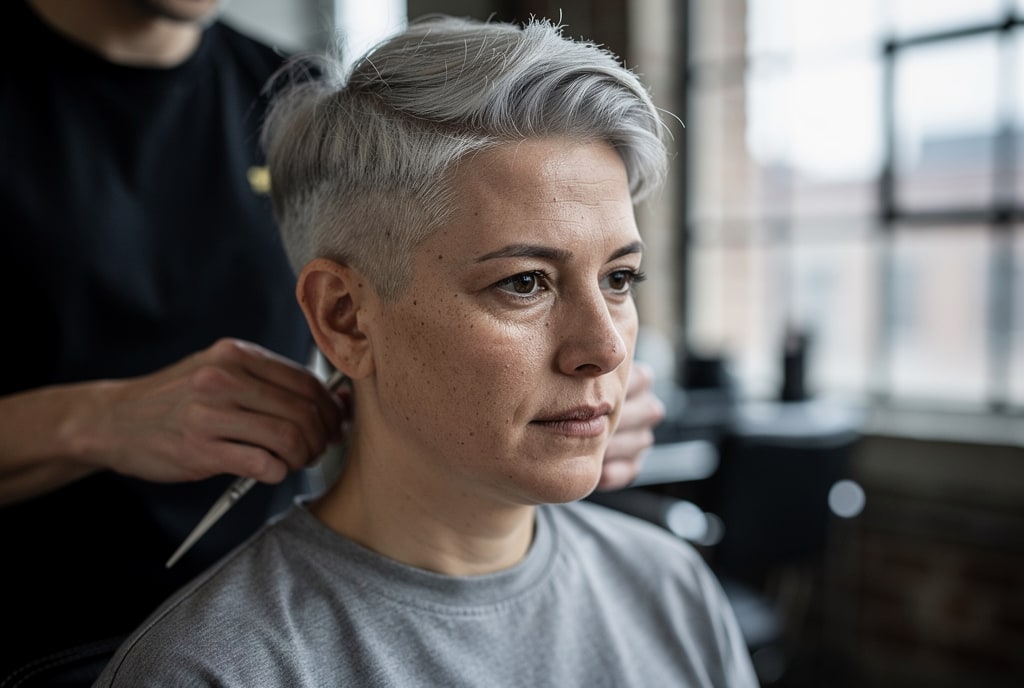
Cost And Cadence guidance for grey hair, with practical care steps, salon context, routine choices, and confidence-focused next steps.
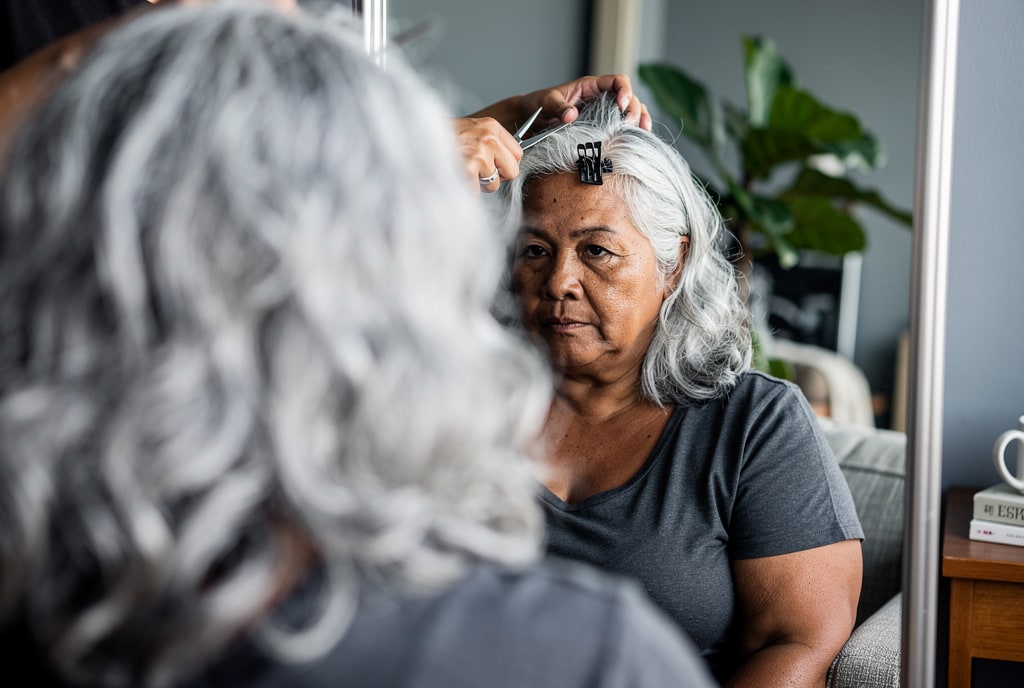
Diy Vs Salon guidance for grey hair, with practical care steps, salon context, routine choices, and confidence-focused next steps.
Grey hair care notes — transition tips, science, and silver routines